2023/9/21
Share to:
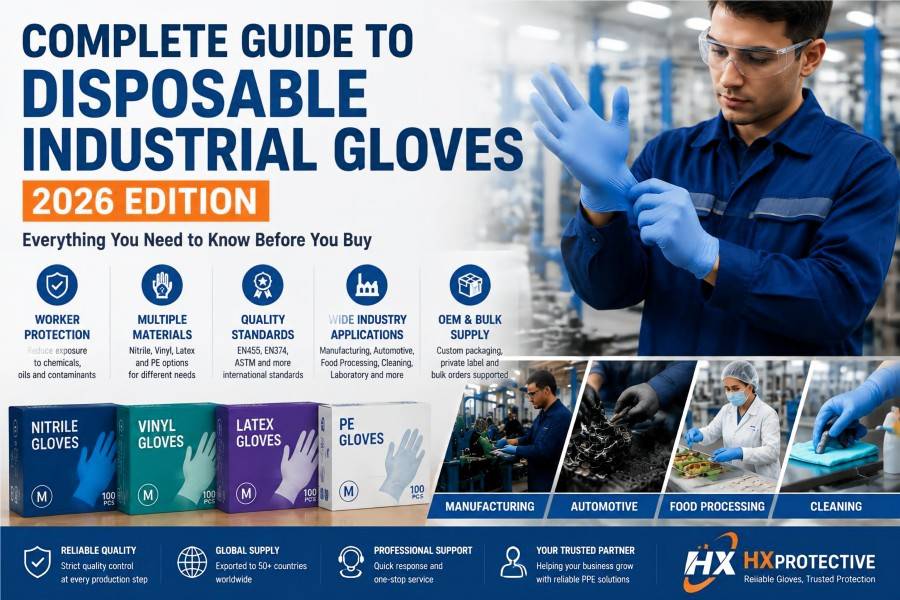
Complete Guide to Disposable Industrial Gloves (2026 Edition)
Disposable gloves are one of the most widely used personal protective equipment (PPE) products across industries. From manufacturing plants and automotive workshops to food processing facilities and laboratories, disposable gloves help protect workers, products, and working environments.
However, choosing the right disposable gloves is not simply about selecting the lowest price option. Different materials, thicknesses, certifications, and designs provide different levels of protection and performance.
This complete guide explains everything industrial buyers, distributors, and importers need to know before purchasing disposable gloves, including glove materials, applications, standards, and supplier selection.
Quick Summary:
Industrial disposable gloves are available in different materials including nitrile, vinyl, latex, and polyethylene. Nitrile gloves are widely preferred for industrial applications because of their durability and chemical resistance, while vinyl and PE gloves are often selected for cost-sensitive and short-term tasks.
1. What Are Disposable Industrial Gloves?
Disposable industrial gloves are single-use protective gloves designed to provide a barrier between workers' hands and external substances such as chemicals, oils, dirt, contaminants, and potentially harmful materials.
Unlike reusable work gloves, disposable gloves are lightweight, flexible, and designed for frequent replacement. They are commonly used in environments where hygiene control and contamination prevention are important.
Common Features of Disposable Industrial Gloves:
-
Single-use protection for improved hygiene control
-
Flexible design for better hand movement
-
Available in different materials and thickness levels
-
Suitable for different industrial applications
-
Available in multiple sizes and packaging options
For professional buyers, selecting the correct disposable glove type can improve workplace safety while reducing unnecessary replacement costs.
2. Why Industries Use Disposable Gloves
Different industries rely on disposable gloves for different reasons. While worker protection is the primary purpose, disposable gloves also help maintain product quality and operational hygiene.
Worker Protection
Disposable gloves help reduce direct contact with oils, chemicals, cleaning agents, and contaminated surfaces.
Contamination Control
In food processing, healthcare, and laboratory environments, gloves help prevent unwanted contamination during handling processes.
Improved Workplace Efficiency
Lightweight disposable gloves allow workers to maintain flexibility and hand sensitivity while performing daily tasks.
3. Types of Disposable Industrial Gloves
Disposable gloves are manufactured using different materials. Each material has unique advantages depending on the working environment.
3.1 Nitrile Gloves
Nitrile gloves are currently one of the most popular choices for industrial applications.
Made from synthetic rubber, nitrile provides excellent resistance against punctures, oils, and many chemicals compared with traditional latex gloves.
Key Advantages:
-
Excellent puncture resistance
-
Good chemical resistance
-
Latex-free solution
-
Suitable for long working periods
-
High durability for industrial environments
Common applications include:
-
Automotive maintenance
-
Manufacturing operations
-
Industrial cleaning
-
Laboratory work
-
Chemical handling
3.2 Vinyl Gloves
Vinyl gloves are made from PVC material and are often selected for applications where cost efficiency is important.
Although vinyl gloves provide less durability compared with nitrile, they remain a practical choice for short-term and low-risk tasks.
Common Applications:
-
Food handling
-
General cleaning
-
Packaging operations
-
Low-risk industrial tasks
Related guide: Nitrile vs Vinyl Gloves: Pros & Cons
3.3 Latex Gloves
Latex gloves are made from natural rubber and are known for excellent elasticity and tactile sensitivity.
They are suitable for applications requiring precise hand movement. However, some industries avoid latex gloves because of allergy concerns.
Advantages:
-
Excellent flexibility
-
Comfortable fit
-
High tactile sensitivity
More information: Nitrile vs Latex Gloves: Which One Should You Choose?
3.4 Polyethylene (PE) Gloves
PE gloves are lightweight disposable gloves mainly used for simple handling tasks where frequent glove changes are required.
They are commonly used in food service, supermarkets, packaging, and general handling applications.
Advantages:
-
Very cost-effective
-
Easy to wear and replace
-
Suitable for high-volume usage
4. How to Choose Disposable Industrial Gloves
Choosing the right disposable gloves requires more than comparing prices. Industrial buyers need to consider material performance, working conditions, protection requirements, and supplier reliability.
4.1 Identify the Working Environment
The first step is understanding where and how the gloves will be used.
-
Are workers handling chemicals, oils, or cleaning agents?
-
Is puncture resistance important?
-
How long will gloves be worn during each shift?
-
Is contamination control required?
For example, automotive workers may need gloves with better oil and chemical resistance, while food processing workers may focus more on hygiene and compliance.
4.2 Select the Right Material
Different glove materials provide different levels of protection and comfort.
-
Nitrile: Best choice for durability, chemical resistance, and industrial applications.
-
Vinyl: Suitable for short-term and cost-sensitive applications.
-
Latex: Suitable for tasks requiring flexibility and tactile sensitivity.
-
PE: Suitable for lightweight, high-volume handling.
For a detailed selection guide, read: How to Choose Disposable Gloves for Industrial Applications.
4.3 Consider Protection Performance
Disposable gloves should be selected based on the risks involved in the workplace.
-
Puncture Resistance: Important when handling sharp parts or tools.
-
Chemical Resistance: Required for contact with solvents, oils, or chemicals.
-
Tensile Strength: Determines glove durability during use.
-
Grip Performance: Important for handling equipment and materials safely.
4.4 Check Size, Fit, and Comfort
A properly fitted glove improves worker comfort and productivity. Gloves that are too tight may cause fatigue, while loose gloves may reduce control and flexibility.
Professional suppliers usually provide multiple sizes including S, M, L, and XL to meet different worker requirements.
5. Disposable Glove Standards: EN455, EN374 & ASTM
For international buyers, glove standards provide important information about product quality, protection level, and application suitability.
Different industries may require different certifications depending on market regulations and usage conditions.
5.1 EN455 Standard
EN455 is a European standard mainly related to medical examination gloves. It focuses on requirements such as leakage resistance, physical properties, and biological safety.
Although primarily used for medical applications, many buyers also refer to EN455 requirements when evaluating disposable glove quality.
5.2 EN374 Standard
EN374 focuses on protective gloves designed for chemical and microorganism risks.
It is especially important for industrial environments involving chemicals, laboratory work, and cleaning applications.
5.3 ASTM Standards
ASTM standards are widely recognized testing specifications used in North America and global markets.
Common ASTM glove standards include performance requirements related to examination gloves, material properties, and chemical resistance.
Learn more: Disposable Gloves Standards Explained: EN455, EN374 & ASTM Guide.
6. Powder-Free vs Powdered Disposable Gloves
One important decision for buyers is whether to choose powdered or powder-free gloves.
Powder-Free Gloves
Powder-free gloves are currently the preferred choice for many professional applications because they reduce contamination risks and provide cleaner handling.
They are widely used in:
-
Food processing
-
Healthcare
-
Laboratories
-
Manufacturing
Powdered Gloves
Powdered gloves contain a small amount of powder to make wearing and removing gloves easier.
However, some industries avoid powdered gloves because powder particles may affect sensitive environments or product quality.
For more details: Powder-Free vs Powdered Gloves: What Buyers Need to Know.
7. Disposable Glove Thickness Guide
Glove thickness directly affects protection, durability, and hand sensitivity. Buyers should select thickness according to the application rather than simply choosing the thickest option.
Thin Disposable Gloves
Thin gloves provide better flexibility and touch sensitivity.
Common applications:
-
Food handling
-
Light cleaning
-
General inspection work
Medium Thickness Gloves
Medium thickness gloves provide a balance between protection and flexibility.
They are commonly used in:
-
Manufacturing
-
Maintenance
-
Automotive applications
Heavy-Duty Disposable Gloves
Thicker gloves provide improved durability and protection for demanding tasks.
They are suitable for:
-
Chemical handling
-
Industrial cleaning
-
Heavy maintenance work
8. Disposable Gloves for Different Industries
Different industries have different requirements when selecting disposable gloves. Understanding application needs helps buyers choose more suitable products.
8.1 Manufacturing Industry
Manufacturing facilities usually require gloves that provide durability, contamination control, and protection against oils and industrial materials.
Recommended:Nitrile Disposable Gloves
8.2 Automotive Industry
Automotive workers often handle grease, lubricants, and chemicals, making nitrile gloves a popular choice.
Recommended:Chemical-resistant Nitrile Gloves
8.3 Food Processing Industry
Food manufacturers require gloves that support hygiene control and safe handling practices.
Recommended:Powder-Free Nitrile or Vinyl Gloves
8.4 Cleaning Industry
Cleaning professionals need gloves that balance protection, comfort, and cost efficiency.
Recommended:Nitrile or Vinyl Disposable Gloves
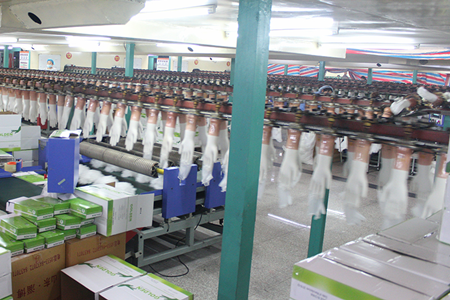
9. How Disposable Gloves Are Manufactured
Understanding the manufacturing process helps buyers evaluate supplier capability, quality control systems, and production reliability.
Although the exact process may vary depending on glove materials, most disposable gloves follow several key production steps.
9.1 Raw Material Preparation
The production process begins with preparing raw materials such as nitrile latex, PVC compounds, natural rubber latex, or polyethylene materials.
The quality of raw materials directly affects glove performance, including strength, flexibility, and protection ability.
9.2 Glove Forming Process
Glove molds are cleaned, heated, and dipped into the glove material solution to create the basic glove shape.
The thickness and consistency of gloves are controlled during this stage to ensure stable product performance.
9.3 Washing and Surface Treatment
After forming, gloves go through washing and surface treatment processes to remove residues and improve usability.
For powder-free gloves, additional treatment is usually required to provide a smooth inner surface and easier wearing experience.
9.4 Quality Inspection and Testing
Professional disposable glove manufacturers conduct quality checks before shipment.
-
Visual inspection for defects
-
Leak testing
-
Physical performance testing
-
Packaging inspection
-
Batch quality control
For international buyers, stable quality control is one of the most important factors when selecting a disposable glove supplier.
10. How to Choose a Reliable Disposable Glove Supplier
Choosing the right manufacturer is critical for distributors, wholesalers, and industrial buyers. A reliable supplier provides not only competitive pricing but also consistent quality and long-term support.
10.1 Check Manufacturing Experience
Experienced manufacturers usually have better knowledge of material selection, production control, and international customer requirements.
Buyers should evaluate:
-
Years of manufacturing experience
-
Production capability
-
Export experience
-
Industry knowledge
10.2 Evaluate Product Quality Control
A professional supplier should have clear quality management procedures to ensure every batch meets customer expectations.
Important points include:
-
Consistent material quality
-
Stable glove thickness
-
Reliable packaging
-
Inspection before shipment
10.3 Consider OEM and Customization Capability
For distributors and private brands, OEM capability is an important advantage.
A capable supplier should support:
-
Customized packaging
-
Private label solutions
-
Different sizes and colors
-
Customized product specifications
10.4 Check Communication and Export Support
International business requires clear communication and reliable support throughout the purchasing process.
A professional supplier should provide:
-
Fast quotation response
-
Production updates
-
Shipping assistance
-
After-sales support
11. OEM Disposable Gloves Solutions for Global Buyers
For distributors and importers, customized disposable gloves can help create stronger market differentiation.
HXProtective provides OEM solutions for customers who need customized disposable glove products for different markets.
OEM Options Include:
-
Custom brand packaging
-
Carton and box design
-
Different glove colors
-
Various sizes and specifications
-
Bulk production support
Whether you are a PPE distributor, industrial supplier, or importer, working with an experienced manufacturer can help build a stable disposable glove product line.
12. Frequently Asked Questions About Disposable Industrial Gloves
Q1: Which disposable gloves are best for industrial use?
Nitrile gloves are usually the preferred choice for industrial applications because they provide good durability, puncture resistance, and chemical resistance.
Q2: Are nitrile gloves better than vinyl gloves?
Nitrile gloves generally provide better protection and durability, while vinyl gloves are a more economical option for short-term and low-risk applications.
Q3: Why are powder-free gloves more popular?
Powder-free gloves reduce contamination risks and are suitable for industries requiring cleaner handling, including food processing, healthcare, and manufacturing.
Q4: What certifications should buyers check for disposable gloves?
Depending on the market and application, buyers may check standards such as EN455, EN374, ASTM requirements, and relevant product testing reports.
Q5: Can disposable gloves be customized with private labels?
Yes. Many professional manufacturers provide OEM services including customized packaging, branding, and product specifications.
Looking for a Reliable Disposable Glove Manufacturer?
HXProtective supplies disposable nitrile, vinyl, and industrial gloves for global distributors, wholesalers, and professional users.
With manufacturing experience, quality control systems, and OEM support, we help partners build reliable PPE product solutions.
Email:export@hxprotective.com
Conclusion
Disposable industrial gloves play an important role in workplace safety, hygiene control, and operational efficiency. Selecting the right glove requires considering material, protection performance, application requirements, and supplier reliability.
For most industrial applications, nitrile gloves provide a strong balance between durability, protection, and comfort. However, vinyl, latex, and PE gloves remain suitable choices for specific working environments.
By understanding glove materials, standards, and purchasing considerations, buyers can make better decisions and build long-term supply partnerships.
HXProtective is committed to providing reliable disposable glove solutions for global PPE distributors, importers, and industrial customers.
News Center
Industry News


 WhatsApp
Send us your message
You can send an email asking for the price and detailed information of this product. We will reply you as soon as we receive your email