2023/9/21
A safety vest may look like a simple garment, but its performance depends on more than its color. Fabric quality, reflective tape placement, stitching, closures, sizing, and final inspection all affect how the finished vest performs in daily working conditions.
For importers, wholesalers, and distributors, understanding the safety vest manufacturing process makes it easier to evaluate suppliers, compare product specifications, and identify potential quality issues before placing a bulk order. This guide explains the main production stages and the checks that matter when sourcing high-visibility safety vests.
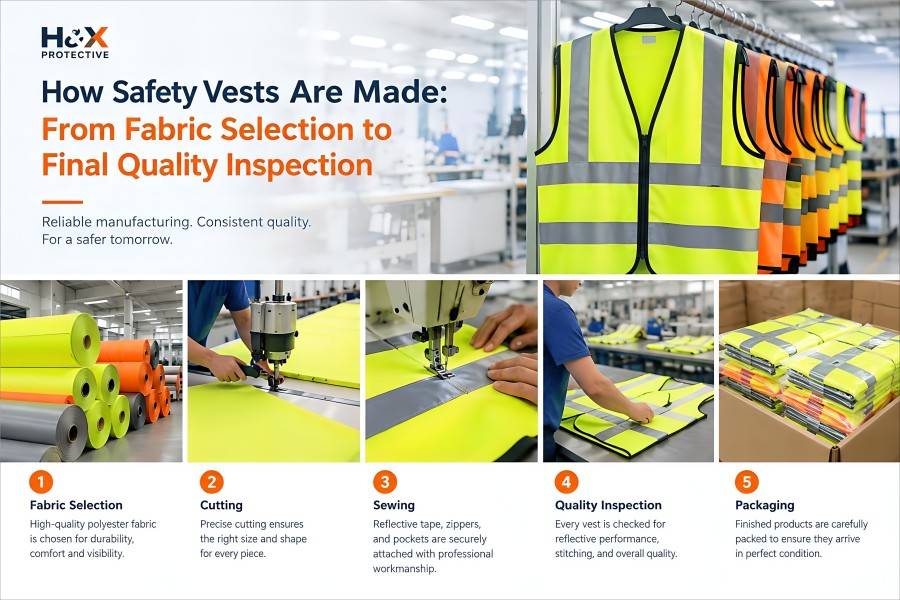
1. Selecting the Right Fabric and Materials
Production starts with selecting materials according to the vest's intended application, design, and target price. Construction sites, road maintenance teams, warehouses, logistics operations, and industrial facilities may have different requirements for visibility, durability, and comfort.
Common material considerations include:
Base fabric: Polyester mesh is often selected for lightweight construction and airflow, while solid polyester fabric can provide a different balance of coverage, structure, and durability.
High-visibility colors: Fluorescent yellow-green, orange, and other specified colors are selected according to the product design and applicable requirements.
Reflective material: The tape or reflective material must suit the intended vest design and required visibility performance.
Closures and accessories: Zippers, hook-and-loop fasteners, pockets, binding, and other components should match the approved specifications.
Before production, buyers should confirm the fabric type, material weight, color, reflective tape specifications, vest size range, and accessory details. If the order is intended for a regulated work environment, the finished product must also meet the applicable requirements for that market and use.
2. Fabric Inspection and Cutting
Once the materials are ready, the fabric is checked and prepared for cutting. Depending on the production setup, manufacturers may use cutting templates, manual cutting equipment, or automated systems to produce garment panels in the required shapes and sizes.
Important checks at this stage include:
Confirming that the fabric color and material match the approved sample.
Checking for visible defects, stains, holes, or other material irregularities.
Verifying panel dimensions and cutting consistency.
Keeping material and size specifications consistent throughout the production batch.
Inconsistent cutting can lead to uneven garment panels, mismatched edges, and sizing variations. For bulk orders, these problems can affect not only appearance but also assembly efficiency and the consistency of finished products.
3. Positioning and Attaching Reflective Tape
Reflective tape is one of the most important components of a high-visibility safety vest. Its placement affects the garment's visibility design, so the position and dimensions should follow the approved product specification rather than being left to individual production decisions.
During this stage, manufacturers should pay attention to:
Placement accuracy: Horizontal and vertical tape sections should follow the approved pattern.
Consistent dimensions: Tape width, length, and spacing should remain consistent across the production batch.
Attachment quality: Stitching or other specified attachment methods should secure the tape without obvious gaps, loose sections, or damaged edges.
Design consistency: The finished vest should match the approved sample and technical drawing.
Reflective tape appearance alone does not prove that a vest meets a particular visibility standard. Where compliance is required, buyers should verify the relevant test documentation and the conformity of the finished garment with the applicable standard.
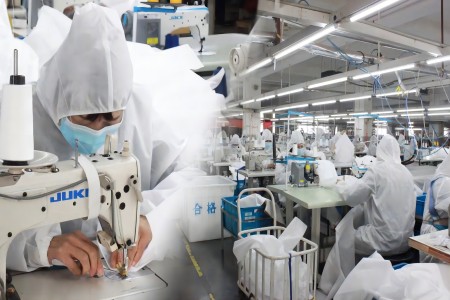
4. Sewing the Vest and Installing Accessories
After the fabric panels and reflective components are prepared, they are assembled into the finished garment. Sewing operations may include joining the front and back panels, finishing the edges, attaching pockets, and installing zippers or hook-and-loop closures.
The main quality points are:
Straight, secure stitching with no obvious skipped stitches or loose threads.
Neat and consistent binding around garment edges.
Securely attached pockets that match the approved size and position.
Closures that open and close properly.
No unintended holes, fabric damage, or rough edges that could affect normal use.
For buyers ordering safety vests with multiple pockets, custom colors, printed logos, or special closures, these details should be confirmed before mass production. Even a small design change can affect the sewing sequence, garment appearance, and production cost.
5. Logo Printing and Customization
Many distributors and private-label brands require customized safety vests. Depending on the order, customization may include logo printing, company names, different fabric colors, pocket layouts, size labels, packaging, or other design details.
To reduce errors, buyers should approve the following before production begins:
The final logo artwork, colors, dimensions, and placement.
The garment color and reflective tape layout.
The size chart and permitted measurement tolerances.
The label content, individual packaging, and carton markings.
The approved pre-production sample, where required.
A clear, approved sample gives both the buyer and manufacturer a common reference for mass production. This is especially useful for repeat orders, where maintaining the same appearance and specifications is important.
6. Final Quality Inspection
Before packing, finished safety vests should be inspected against the order requirements. The inspection method and sampling level may vary according to the manufacturer's quality system, the buyer's requirements, and the order agreement.
A practical final inspection can cover five areas:
Appearance: Check fabric condition, color consistency, stains, holes, loose threads, and overall workmanship.
Dimensions: Measure key garment points and compare them with the approved size chart and tolerances.
Reflective tape: Confirm tape width, position, attachment, and consistency with the approved design.
Functionality: Check zippers, hook-and-loop fasteners, pockets, and other specified components.
Order conformity: Verify sizes, colors, logos, labels, quantities, and packaging against the purchase order.
Where the order requires certified high-visibility clothing, document review and any required testing should be handled in addition to routine visual inspection. A garment that looks correct is not automatically compliant with a specific standard.
7. Packing and Preparing the Order for Shipment
After inspection, the vests are folded and packed according to the agreed packaging specification. Depending on the order, this may include individual polybags, size labels, barcode labels, inner cartons, and outer shipping cartons.
Before shipment, buyers should confirm the quantity per bag and carton, carton dimensions, gross weight where relevant, shipping marks, and any required product or retail labels. Clear packaging specifications help prevent receiving, warehouse, and distribution problems after delivery.
For repeat orders, it is also useful to retain the approved sample and product specifications so that future batches can be checked against the same reference.
8. What Should Buyers Check When Choosing a Safety Vest Manufacturer?
A reliable supplier should be able to explain its production arrangements, clarify product specifications, and provide appropriate quality documentation. The goal is not simply to find the lowest unit price, but to purchase vests that consistently match the agreed requirements.
Before placing a bulk order, ask the supplier:
What base fabrics and reflective materials are available?
Can the supplier provide a sample matching the proposed bulk order?
How are garment dimensions, reflective tape placement, and sewing quality checked?
Can the supplier accommodate the required colors, sizes, logos, pockets, and packaging?
What inspection reports or compliance documents are available for the selected product?
How are defects, specification changes, and quality issues handled?
For importers and distributors, these questions help establish whether a supplier can support the order beyond the sampling stage. Clear specifications, sample approval, and documented inspection criteria are practical ways to reduce avoidable quality disputes.
Frequently Asked Questions
How long does it take to manufacture safety vests?
Production lead time depends on the order quantity, material availability, vest design, customization requirements, and inspection arrangements. Standard designs may be simpler to produce than orders requiring special colors, printed logos, or custom packaging. Buyers should confirm the production schedule with the supplier before placing an order.
What affects the quality of a safety vest?
Key factors include fabric consistency, reflective material specifications, tape placement, sewing quality, garment dimensions, closures, and inspection controls. For regulated applications, compliance with the relevant visibility standard is also essential.
Can safety vests be customized for wholesale orders?
Customization options may include colors, sizes, logo printing, pocket designs, closures, labels, and packaging. Available options and minimum order quantities depend on the manufacturer's capabilities and the specific product design. Confirm the details and approve a sample before mass production.
How can buyers verify safety vest quality before shipment?
Buyers can agree on a pre-shipment inspection covering appearance, dimensions, reflective tape, stitching, closures, labels, quantities, and packaging. If the product must meet a specific safety standard, request the relevant supporting documentation and verify that it applies to the product being purchased.
Conclusion
The safety vest manufacturing process involves several connected stages, from material selection and fabric cutting to reflective tape attachment, garment assembly, inspection, and packing. Consistency at each stage helps manufacturers deliver products that match the approved design and agreed specifications.
For wholesale buyers, the most effective approach is to confirm the technical details before production, review a representative sample, and establish clear inspection criteria. These steps make supplier evaluation more straightforward and help reduce problems with bulk orders.
HX Protective supplies high-visibility safety vests for professional and industrial applications. Buyers can explore available designs and discuss product specifications, customization, and bulk order requirements on our safety vest product page.


 WhatsApp
Send us your message
You can send an email asking for the price and detailed information of this product. We will reply you as soon as we receive your email